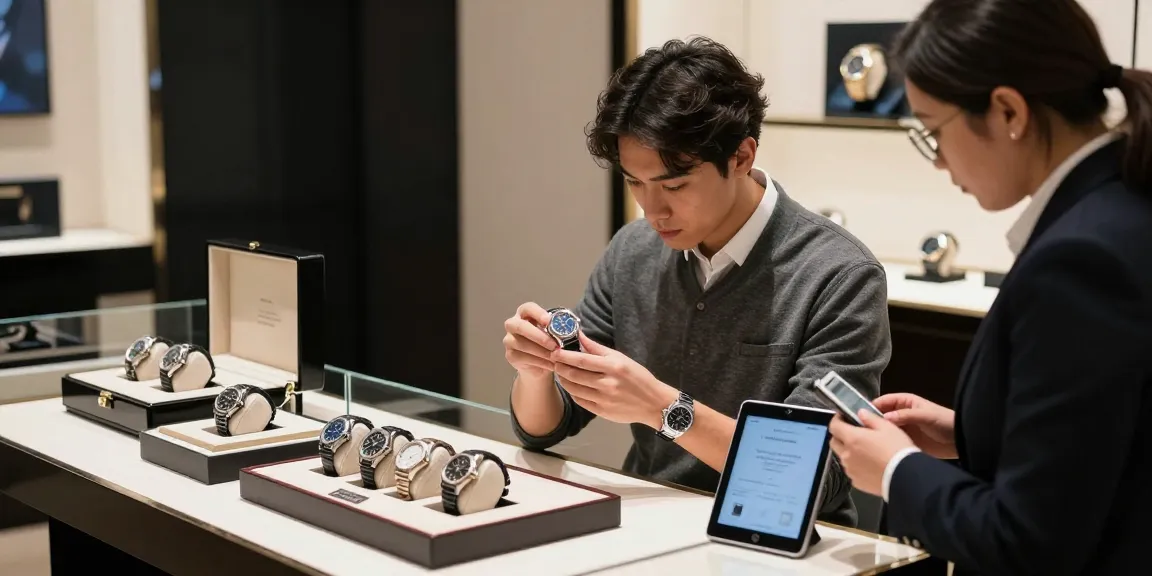
Understanding Clone Watches: The New Standard in Replication
In recent years, the watch market has seen a significant shift with the emergence of clone watches, which are rapidly gaining traction among collectors and enthusiasts alike. These timepieces have become a desirable alternative to traditional replicas, often providing a remarkable level of detail and performance. As we explore the nuanced world of clone watches in 2026, it’s essential to understand what sets them apart and why they are becoming the go-to choice for discerning buyers. Clone watches are transforming the perception of quality in the watch industry, combining craftsmanship and innovation to offer products that satisfy the demands of modern consumers.
What Defines Clone Watches?
Clone watches are meticulously crafted timepieces that are designed to closely resemble their original counterparts. They go beyond mere aesthetics; these watches often feature high-quality materials and advanced mechanisms that replicate the performance of luxury brands. Unlike ordinary replicas, clone watches utilize Swiss movements and premium-grade materials, giving them durability and an authenticity that enthusiasts value.
Key Differences Between Clone Watches and Ordinary Replicas
The primary distinction between clone watches and ordinary replicas lies in their construction and attention to detail. Ordinary replicas typically prioritize visual similarity at the expense of quality, often using inferior materials and movements that do not stand the test of time. In contrast, clone watches are rigorously benchmarked against their authentic versions, ensuring that factors such as weight, size, and functionality closely match the originals. This dedication to detail means that clone watches often feature:
- High-grade stainless steel (such as 904L or 316L)
- Sapphire crystal glass for scratch resistance
- Accurate clone movements derived from Swiss watchmaking
- Careful attention to engravings and luminescence
The Rise of Clone Watches in 2026
With the burgeoning interest in luxury goods, clone watches have found a growing audience. The year 2026 marks a pivotal moment in this niche, as advancements in manufacturing techniques have made these timepieces more reliable and aesthetically pleasing than ever before. Collectors are increasingly turning to clone watches, not just for their visual appeal, but also for the quality craftsmanship that often rivals that of the original luxury brands. This shift in consumer sentiment indicates a broader acceptance of clone watches as a legitimate choice for style and functionality.
Quality and Craftsmanship: Why Clone Watches Succeed
Materials Used in Top Clone Watches
The quality of materials used in clone watches is a significant factor in their success. High-grade materials ensure that these watches not only look good but also last over time. For example, clone watches often utilize:
- Stainless Steel: 904L and 316L stainless steel are common choices due to their corrosion resistance and durability.
- Sapphire Crystal: This material is preferred for watch faces since it is highly scratch-resistant, maintaining clarity over years of use.
- Ceramic Bezels: Many high-end clone watches feature ceramic bezels, which add to their durability and aesthetic appeal.
The Role of Swiss Movements in Clone Watches
At the heart of every quality clone watch lies a Swiss movement, which plays a crucial role in ensuring the watch’s accuracy and longevity. The precision engineering behind Swiss movements guarantees smooth operation and reliable timekeeping. Enthusiasts often seek out clone watches precisely for this feature, as it elevates the experience of owning a replica to that of owning a luxury timepiece.
Assessing Durability and Longevity of Clone Watches
One of the primary concerns for buyers is the durability of clone watches. Fortunately, when constructed with high-quality materials and precision movements, these watches can withstand daily wear and tear. Many clone watch owners report satisfaction with performance over several years, often experiencing minimal issues. Routine servicing can further enhance their longevity, making them a smart investment for collectors and casual wearers alike.
Choosing the Right Clone Watch: A Guide for Collectors
Features to Look For in High-Quality Clone Watches
When choosing a clone watch, collectors should be mindful of several key features that distinguish high-quality models from lesser options:
- Authenticity of Construction: Look for watches that offer exact replication of the original models in terms of weight and dimensions.
- Movement Quality: Ensure that the watch is powered by a reliable Swiss clone movement for optimal accuracy.
- Material Quality: Check for the use of premium materials that mirror those found in genuine luxury timepieces.
Common Pitfalls When Buying Clone Watches
While the allure of clone watches is strong, buyers should be aware of common pitfalls. Some potential issues include:
- Subpar Quality: Not all sellers adhere to the same standards, so it’s essential to purchase from reputable sources.
- Inflated Prices: Some sellers may charge excessive prices for average-quality models, so comparison shopping is wise.
- Lack of Warranty or Support: Always check if the seller provides a warranty or any form of customer support.
Expert Tips on Making an Informed Purchase
To make a savvy investment in a clone watch, consider the following tips:
- Research the seller’s reputation through reviews and testimonials.
- Familiarize yourself with the key features of original models to differentiate them from fakes.
- Ask for detailed images and specs to confirm the quality before purchase.
Clone Watches vs. Traditional Timepieces: A Comparative Analysis
Cost-Effectiveness of Clone Watches in the Market
Cost is a significant factor for many buyers. Clone watches often present a budget-friendly alternative to their original counterparts, allowing enthusiasts to enjoy the luxury aesthetic without breaking the bank. While a genuine luxury watch can cost thousands, many high-quality clone watches are available at a fraction of that price, making luxury accessible to a broader audience.
Buying Experience: Clone Watches vs. Original Brands
The buying process for clone watches is often streamlined and straightforward, catering to modern consumers who value efficiency. Unlike traditional luxury watch purchasing experiences, which can be intimidating and high-pressure, buying a clone watch can be more relaxed, allowing buyers to take their time and find the perfect fit. Many online retailers offer comprehensive guides and customer support to assist potential buyers, enhancing the overall experience.
Emotional Value of Clone Watches for Collectors
For many collectors, owning a clone watch is about more than just functionality; it’s also about the emotional connection to the design and heritage of the original brand. Clone watches allow collectors to appreciate the craftsmanship of luxury watches without the financial burden, enabling a broader range of enthusiasts to participate in the world of watch collecting.
The Future of Clone Watches: Trends and Predictions
Innovations in Clone Watch Technology for 2026
As technology continues to evolve, so does the manufacturing process for clone watches. Innovations in 3D printing and CNC machining are paving the way for even more precise and intricate designs, ensuring that clone watches can rival their original counterparts in both craftsmanship and aesthetic elegance.
Consumer Sentiments Towards Clone Watches
Consumer attitudes toward clone watches are shifting positively. As awareness of the craftsmanship behind these timepieces grows, more collectors are willing to embrace clone watches as a valid choice. This increase in acceptance is likely to continue as manufacturers focus on quality and authenticity.
How Clone Watches Will Shape the Luxury Market
The rising popularity of clone watches might significantly impact the luxury market. As more individuals invest in these high-quality replicas, luxury brands may need to rethink their pricing strategies and customer engagement approaches to remain competitive. The luxury market could see a diversification of its audience, with more collectors entering from various socioeconomic backgrounds.
What is the lifespan of a clone watch?
A well-maintained clone watch can last several years, with many owners reporting longevity similar to that of original luxury models. Regular servicing and proper care can enhance their lifespan, ensuring they remain functional and visually appealing for years.
Are clone watches worth the investment?
Given their affordability and quality, clone watches are often considered a worthwhile investment for those seeking luxury aesthetics without the significant financial commitment. They provide great value for consumers who appreciate craftsmanship and style.
Can you identify a clone watch from the original?
While some trained professionals may discern subtle differences, many high-quality clone watches are designed to closely resemble their original counterparts. Buyers should focus on purchasing from reputable sellers to ensure they receive a product that meets high standards of quality and authenticity.
What maintenance do clone watches require?
Just like any quality timepiece, clone watches require routine maintenance, such as cleaning and servicing every few years, depending on usage. This care ensures their longevity and continued performance.
Are clone watches legal to buy and own?
In many countries, it is legal to buy and own clone watches, provided they do not falsely represent themselves as genuine articles. Consumers should be aware of local laws and make informed decisions when purchasing these timepieces.